
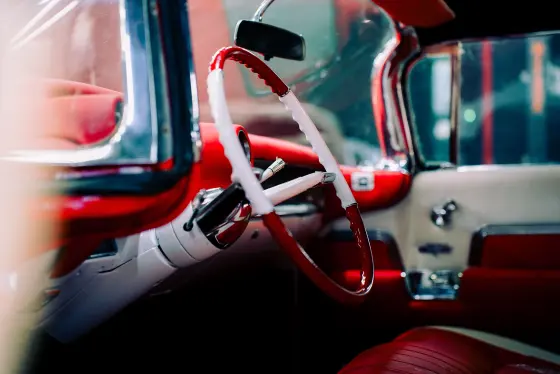
Ajoutez du grain argentique à une image en ligne pour donner à une photo numérique lisse une texture de film, une ambiance vintage ou lo-fi. PIXLFLW fonctionne entièrement dans votre navigateur : le traitement reste local et la photo n'est jamais envoyée sur un serveur.
Ce que vous pouvez faire
- Quantité réglable : d'une texture légère à un bruit très présent.
- Rendu argentique : retrouvez le caractère du 35 mm et des anciennes pellicules.
- Ajouter de la texture : cassez les dégradés trop lisses et donnez du relief à une image numérique.
- Combiner avec le noir et blanc : associez grain, filtre monochrome et vignette.
Comment ajouter du grain à une photo
- Déposez une image dans la zone d'importation (formats : GIF, JPG, BMP, PNG, WEBP, HEIC, TIFF).
- Augmentez le grain avec le curseur jusqu'au rendu souhaité.
- Téléchargez l'image terminée en JPG ou PNG.
Quelle quantité de grain pour un rendu film ?
Une faible quantité ajoute une texture qu'on ressent plus qu'on ne la voit. C'est le choix courant pour les portraits et les images numériques qui doivent rappeler le film. Augmentez l'effet pour un rendu lo-fi, poussé ou vintage. Le grain se voit davantage dans les zones lisses, comme le ciel, jugez à taille réelle.
Grain sur une photo noir et blanc
Ajouter du grain après une conversion noir et blanc est un classique de l'argentique : ce rendu vient souvent des pellicules monochromes. Empilez grain, noir et blanc et vignette, puis exportez une seule fois.
Le grain est un effet non destructif : vous pouvez rouvrir l'étape et la modifier avant l'export. Le fichier original n'est jamais touché.