
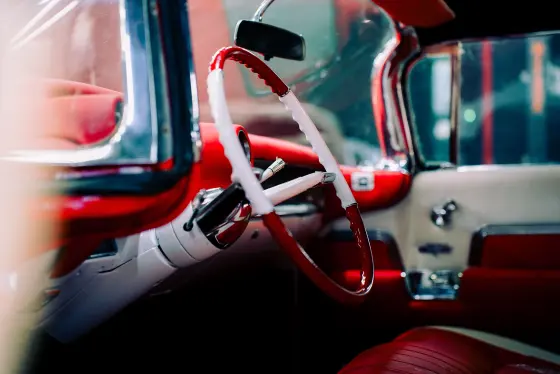
Add film grain to an image online — overlay fine monochrome noise to give a flat digital photo the organic texture of analog film, a vintage mood or a lo-fi aesthetic. PIXLFLW works entirely in your browser: your photo is processed locally and never uploaded to a server.
What you can do
- Adjustable amount — from a subtle filmic texture to heavy, grainy noise.
- Analog film look — recreate the character of 35mm and vintage film stocks.
- Add texture — break up flat gradients and give digital images more depth.
- Combine with black-and-white — pair grain with a mono filter and a vignette for a complete film look, in one pipeline.
How to add grain to a photo
- Drop an image into the upload area (formats: GIF, JPG, BMP, PNG, WEBP, HEIC, TIFF).
- Increase the grain amount with the slider until the texture looks right.
- Download the finished image as JPG or PNG.
How much grain gives a film look?
A low amount adds texture you feel rather than see — the usual choice for portraits and for making a flat digital photo look shot on film. Push the grain effect higher for a lo-fi, pushed-film or vintage mood. Grain reads stronger on smooth areas like skies, so judge the result at full size, not on the thumbnail.
Grain on black-and-white photos
Adding grain to an image after a black-and-white conversion is the classic analog combination: mono film stocks are where the look comes from. Stack grain, black-and-white and a vignette in one pipeline and export once.
Film grain is a non-destructive effect — it is a pipeline step you can reopen and adjust at any time before export, and it never touches the original file.